
 +86 15968093247


Introduction
Spring/Summer 2026 is shaping women’s apparel demand around styles that look fresh, wear easily, and meet tighter retail margins. For importers, the opportunity is not just spotting silhouettes early, but understanding which garment categories can scale across color, fabric, and price architecture without creating inventory risk. This article highlights the key women’s fashion garment styles expected to matter most for the season, along with the commercial signals behind them—from softer utility looks and lighter constructions to the sourcing realities affecting MOQ planning, factory booking, and assortment decisions—so you can move from trend awareness to sharper buying strategy.
Why Spring/Summer 2026 Women’s Fashion Garment Trends Matter
The upcoming buying cycles and Women Fashion Garment Headlines for Spring/Summer 2026 are already making significant waves across the industry. If you are importing apparel for retail, getting ahead of these shifts is not just about pinning mood boards; it is about strategically locking in factory capacity before the inevitable seasonal rush.
We are seeing a distinct pivot from previous years, with a heavy focus on garments that balance aesthetic appeal with aggressive cost engineering. Navigating this season requires a firm understanding of both creative trends and the hard numbers dictating the supply chain.
Key trend definitions
Breaking down the key trend definitions for S/S 2026, "soft utility" and "hyper-breathability" dominate the conversation. The market is moving away from stiff, heavily structured garments toward fluid drapes that offer multi-wear versatility. From a technical standpoint, there is a massive push for lightweight wovens ranging from 110gsm to 140gsm.
Premium fabric mills are pushing minimum order quantities (MOQs) up to 1,200 yards per custom-dyed color. Consequently, buyers must consolidate color palettes early across multiple styles to hit those minimums without over-leveraging inventory.
Market signals shaping demand
Market signals shaping demand are heavily influenced by unpredictable transitional weather and increasingly cautious consumer spending habits. Shoppers want garments that span multiple micro-seasons. Early retail data and predictive forecasting suggest a potential 20% drop in single-use, highly embellished occasion wear, while demand for modular, everyday wardrobe pieces is spiking.
Furthermore, logistics dictate trend adoption. With ocean transit times from Southeast Asia averaging 35 to 45 days and factory lead times stretching to 90 days, importers cannot afford to chase micro-trends. Buying strategies must pivot toward longevity and reliable silhouettes that will not feel dated if a container is delayed at the port.
Best-Performing Women’s Garment Categories for Import
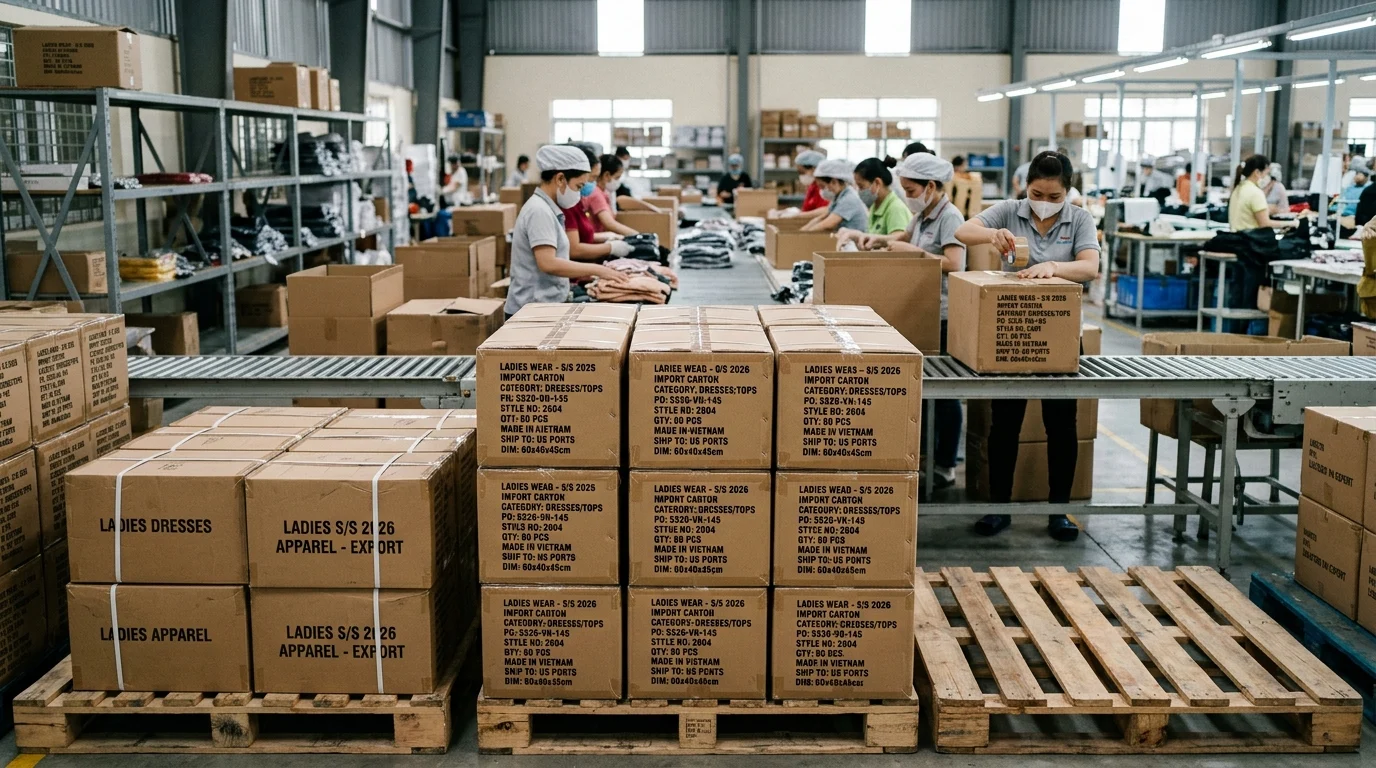
Understanding these macro shifts and their impact on timelines clarifies what should go on your purchase orders. Sourcing the right categories is critical to maintaining a healthy inventory turn and keeping warehousing costs in check.
Top categories: dresses, tailoring, sets, outerwear
For Seasonal Styles, the top categories for the upcoming season require specific attention to detail. Midi and maxi dresses featuring bias cuts and adjustable waistlines are heavily outperforming mini lengths due to their broader demographic appeal and ease of fit.
In the tailoring sector, unstructured blazers paired with relaxed, wide-leg trousers dominate the office-to-evening transition. Co-ord sets remain a massive driver for retail importers because they offer high perceived value, giving the consumer two pieces for slightly more than the price of one. Finally, lightweight outerwearis crucial for early spring deliveries; unlined Trench Coats and cropped utility jackets in water-resistant poplins are absolute must-haves for initial seasonal drops.
Fabric and cost comparison
Staying competitive against Fast Fashion giants requires meticulously balancing material quality with target FOB prices. Below is a breakdown of modeled SS26 fabric sourcing and costing:
| Fabric Type | Target FOB ($/pc) | Typical MOQ (yds) | Est. Lead Time |
|---|---|---|---|
| Tencel / Lyocell Blends | $12.50 - $18.00 | 1,500 | 60-75 days |
| European Flax Linen | $16.00 - $24.00 | 1,000 | 80-90 days |
| Recycled Poly Co-ords | $8.50 - $14.00 | 2,000 | 45-60 days |
| Organic Cotton Jersey | $6.00 - $10.50 | 1,200 | 45-55 days |
Recycled synthetics offer the best speed to market and the lowest barrier to entry, but Tencel and linen capture the premium retail markup. Mixing these fabrications across your assortment is essential to balance the overall margin blend.
How to Source, Cost, and Make Buy Decisions

Identifying the right styles and fabrics is only half the battle. Executing the buy, managing the supply chain, and making final financial decisions without crushing margins is where the real work happens for an importer.
Practical sourcing steps
Practical sourcing steps start long before a purchase order is issued, beginning with rigorously vetting the factory base. It is highly recommended to work with an established Importer or a direct manufacturer with a proven, auditable track record in specific lightweight wovens.
Do not just look at showroom samples; demand to see production lines. Enforcing an AQL 2.5 inspection standard in contracts keeps major defect rates firmly below 2.5%. If a factory pushes back on third-party quality control inspections, walk away. Additionally, book greige goods at least 45 to 60 days before cutting and sewing, as dye house bottlenecks are expected to be severe heading into the early 2026 production crunch.
Final buying criteria
When reviewing a line sheet or a supplier's quotation, immediately calculate the landed cost by adding an estimated 22% to 28% on top of the FOB price. This safely covers freight, customs duties, and drayage fees.
To make a style worth the inventory risk, aim for a minimum 65% gross margin upon initial retail release and look for styles that can realistically achieve a 40% sell-through velocity in the first four weeks on the floor. If a piece falls short of that margin threshold on paper, it must be engineered to cost—perhaps by swapping a premium cupro lining for standard poly or simplifying metal hardware. Ultimately, the goal is to land Retail Ready garments that require zero reprocessing, steaming, or reticketing once they hit the local distribution center.
Key Takeaways
- The most important conclusions and rationale for Women Fashion Garment Headlines
- Specs, compliance, and risk checks worth validating before you commit
- Practical next steps and caveats readers can apply immediately
Frequently Asked Questions
Which women’s garment styles should retail importers prioritize for Spring/Summer 2026?
Focus on bias-cut midi/Maxi Dresses, unstructured blazers, wide-leg trousers, co-ord sets, and lightweight outerwear like unlined trenches and cropped utility jackets.
What fabrics offer the best balance of margin and speed for SS26 imports?
Use recycled poly for faster, lower-cost programs, then mix in Tencel/lyocell or linen for premium markup. This helps balance assortment margin and lead times.
How early should buyers place SS26 orders?
Plan early. With factory lead times up to 90 days and ocean transit around 35–45 days, secure capacity and fabric bookings well before the seasonal rush.
How can importers manage high fabric MOQs for custom colors?
Consolidate a tighter color palette across multiple styles. This helps meet 1,000–1,500 yard minimums without overbuying slow-moving inventory.
How can Dyon Fashion help with SS26 women’s sourcing?
Dyon Fashion can support product selection, factory coordination, and category sourcing across dresses, trousers, outerwear, and sets to streamline retail import buying.